
Thursday, 13 December 2012

Thursday, 22 November 2012
Final idea
Horror, mass murderer who
wears a mask, set in some woods. In the opening they are walking in a
dark woodland area. They are coming out of a party. For some reason they have
to walk back another way, through the dark. Rumour has there is a killer in the
area. Mysterious music in the background while walking to set atmosphere. Long
shot of them walking laughing and joking, then the killer emerges walks past
the camera and mysterious music sets atmosphere. Then one person gets caught by
killer, the other run off, camera follows one running then they end up at dead
end and also get killed.

Questionnaire

This picture shows our results of our questionnaire which we handed around the school finding out what people think makes a good film.
Thursday, 15 November 2012
Camera Angles
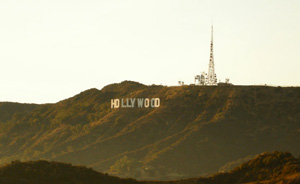
this can be taken up to a quarter of a mile away it is normally used to set the scene (also known as an establishing shot). an example of this is the outside of a building, or a landscape.
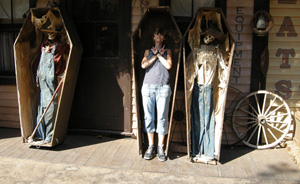
Long shot
shows the image as approximately "life" size corresponding to the real distance between the audience and the screen in a cinema. It shows the entire human body, with the head at the top of the frame and the feet at the bottom.
Medium shot
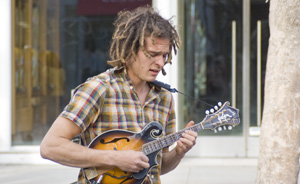 shows a figure from the knees/waist up and is normally used for dialogue scenes, or to show some detail of action. The detail in the background is minimal, probably because location has been established earlier in the scene, the audience already know where they are and now want to focus on dialogue.
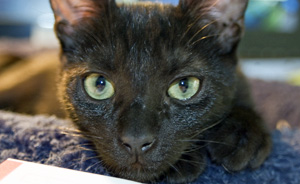 Close up
This shows very little background and concentrates on either a face or a specific detail of mise en scene. everything else is just a blur in the background.
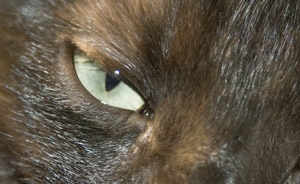
Extreme close up
As its name suggests an extreme version of the close up, generally magnifying beyond what the human eye would experience in reality. an extreme close up in reality. an extreme close up of a face, for instance, would show only the mouth or eyes with no background detail whatsoever.
Thursday, 4 October 2012
Codes and Conventions in Media
Codes:
Media students identify three categories of
codes that may be used to
convey meanings in media messages:
TECHNICAL
CODES, which
include camera techniques,
framing, depth of field,
Mise en
scene, editing, lighting
and sound;
SYMBOLIC
CODES,
which
refer to objects, setting, body language,
clothing and colour.
WRITTEN
CODES in the
form of
headlines,
captions, speech bubbles and language style
Conventions:
Conventions are the generally accepted
ways of doing something, and in the case of media texts, they are generally
accepted patterns of code that communicate a particular message.
There are general conventions in any medium, such as the use of quotes in a print article, but conventions are also genre specific. For example, in Westerns fights scenes are generally shot from a low angle, the setting is usually dusty and desolate, and even the sounds used within the scene are conventional, such as castonettes, or some sort of whistle.
There are general conventions in any medium, such as the use of quotes in a print article, but conventions are also genre specific. For example, in Westerns fights scenes are generally shot from a low angle, the setting is usually dusty and desolate, and even the sounds used within the scene are conventional, such as castonettes, or some sort of whistle.
Thursday, 20 September 2012
20/9/12
Me Connor, Toby and Luke filmed the preliminary exercise. We used the 180 degree rule, Match on action and shot/reverse shot. We found it easy to get the hang of and made barely any mistakes.
Thursday, 13 September 2012
180 Degree rule
The 180 degree rule is when you keep the camera on one side of the 2 characters so that they look like they are facing each other if you swapped sides while filming it would look like they are not facing each other.
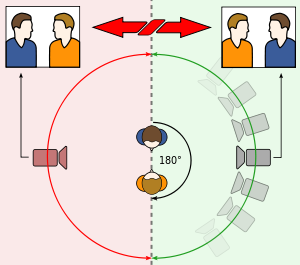
Shot/Reverse shot
Shot/Reverse shot is a technique where two characters are looking at each other
(often of screen).
Because the characters are shown looking in opposite directions, the viewer assumes that they are looking at each other
(often of screen).
Because the characters are shown looking in opposite directions, the viewer assumes that they are looking at each other
Match on action
Match on action is an editing technique in which one shot cuts to another shot. This create the sense of continuity which creates a "visual bridge" which draws the viewer's attention away from continuity issues
Continuity
Continuity is consistency of the characteristics of person, plot, objects and places seen by the reader or viewer over a period of time.
Preliminary exercise brief
Produce a continuity exercise which involves a character opening a door, crossing a room and sitting down in a chair opposite another character, with whom they exchange a couple of lines of dialogue. the task should demonstrate;
- Match on action
- Shot/reverse shot
- 180 degree rule
Me...
My name is Jerome Mills, I am 16 and was born on the 5th of May.
I am a student at Ken Stimpson Community School.
I study Media, Sports, Psychology and Finance.
I enjoy playing Basketball and American Football, in my spare time I also enjoy listening to music such as: Falling in Reverse, Avenged Sevenfold and Escape The Fate. I also enjoy gaming in my spare time.
Subscribe to:
Posts (Atom)